The Most Common Occasional Invaders in Central Florida
These pests don't typically live inside your home year-round. They come in from the outside (through gaps, cracks, and foundation voids) usually when outdoor conditions push them indoors. Moisture, temperature changes, and landscaping close to the structure are the most common drivers. Once inside, they breed quickly in undisturbed areas.
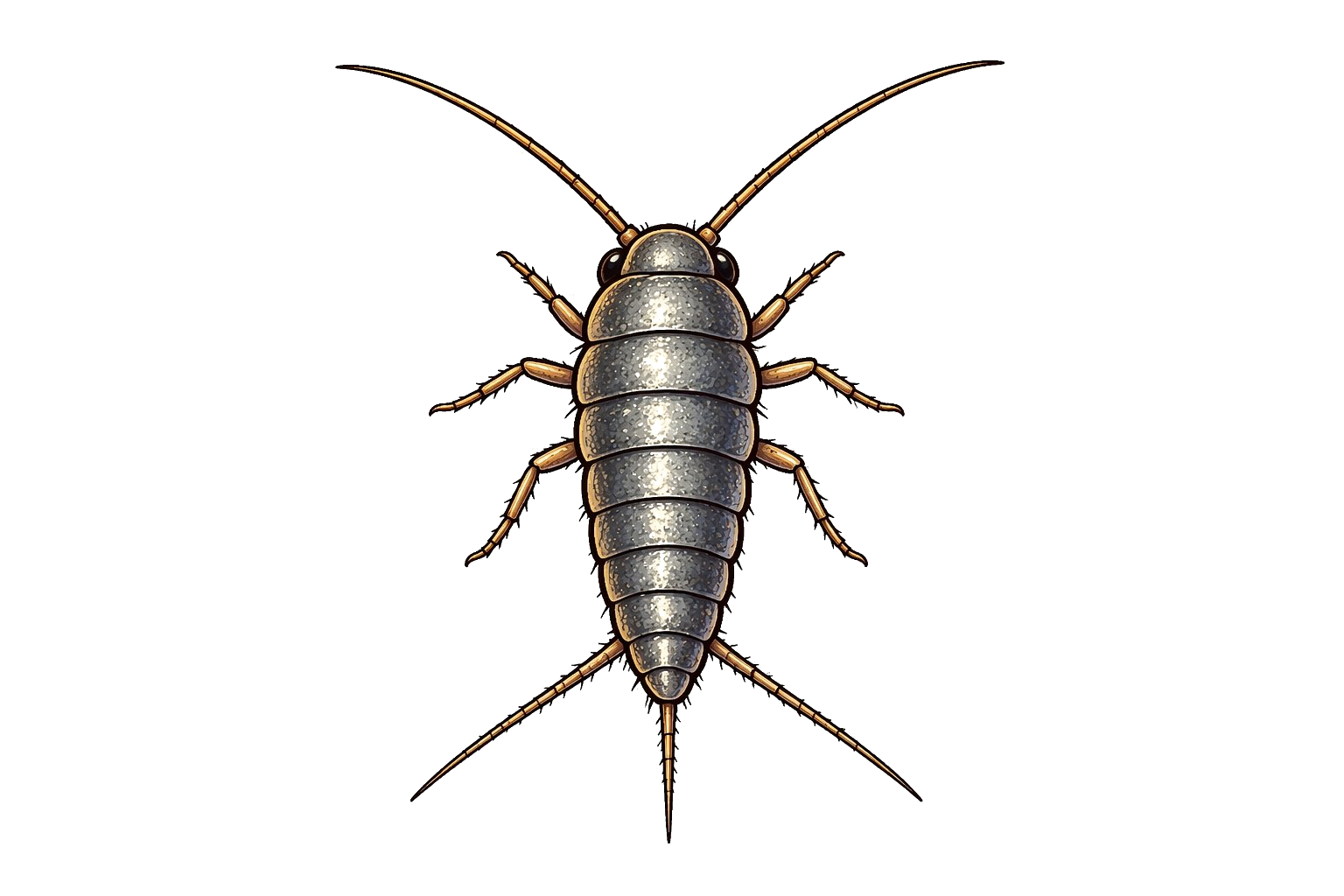
Silverfish
Feed on paper, glue, fabric, and starchy materials. Common in closets, attics, and bathrooms. Fast movers, hard to catch.
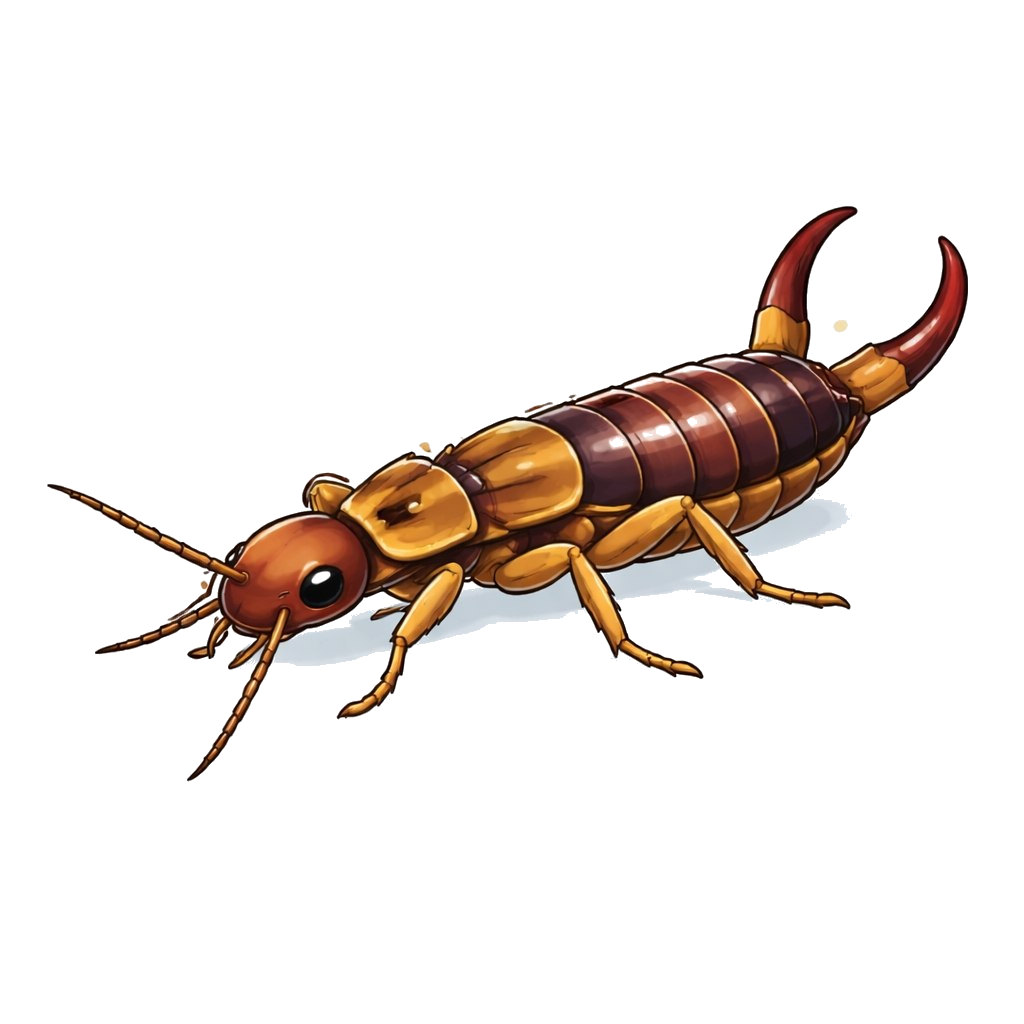
Earwigs
Pincer-tailed and disturbing to find indoors. Thrive in moist areas near the foundation. Usually indicate a moisture issue.
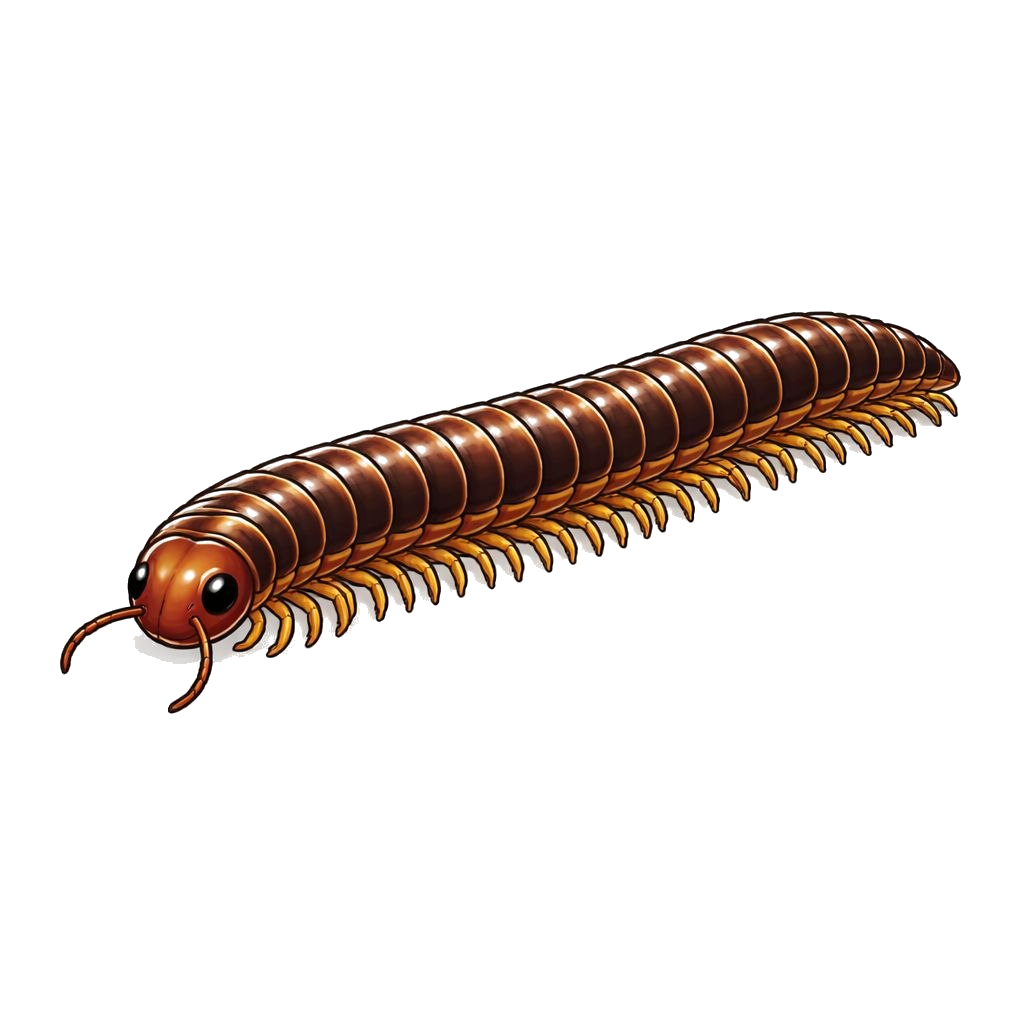
Millipedes
Curl into a spiral when disturbed. Enter homes in large numbers during heavy rain. Harmless but alarming in volume.
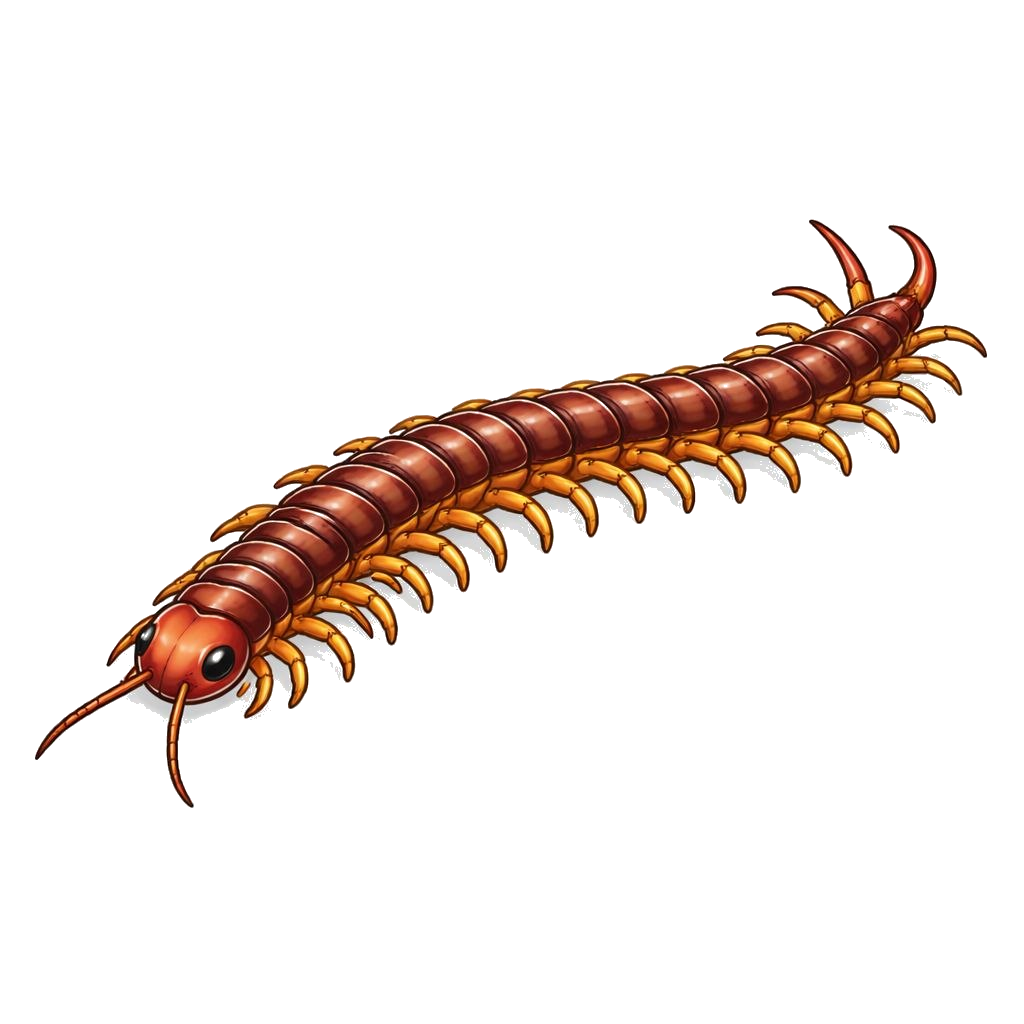
Centipedes
Fast, aggressive-looking, and capable of a painful bite. Feed on other insects, their presence usually signals a broader pest issue.
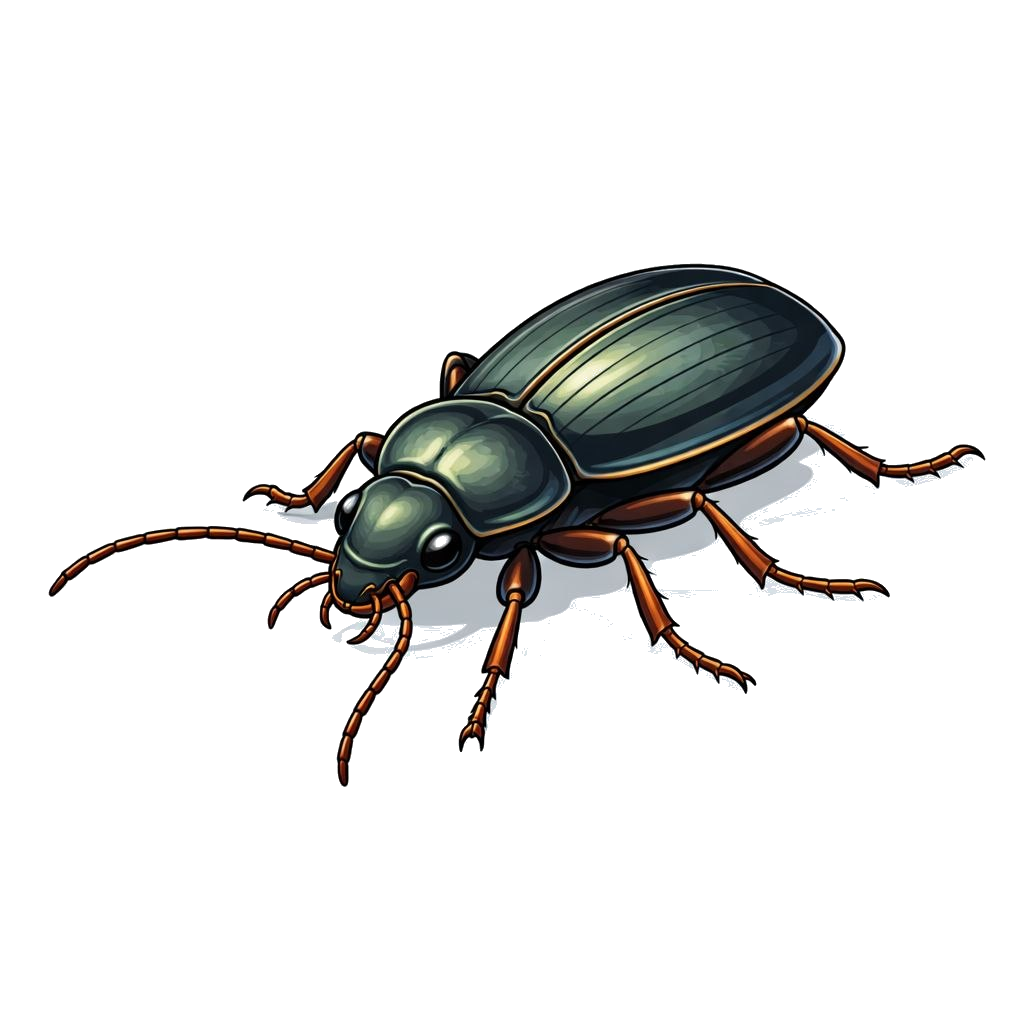
Ground Beetles
Attracted to outdoor lighting. Enter through gaps around doors and windows. Often found dead near light fixtures inside.
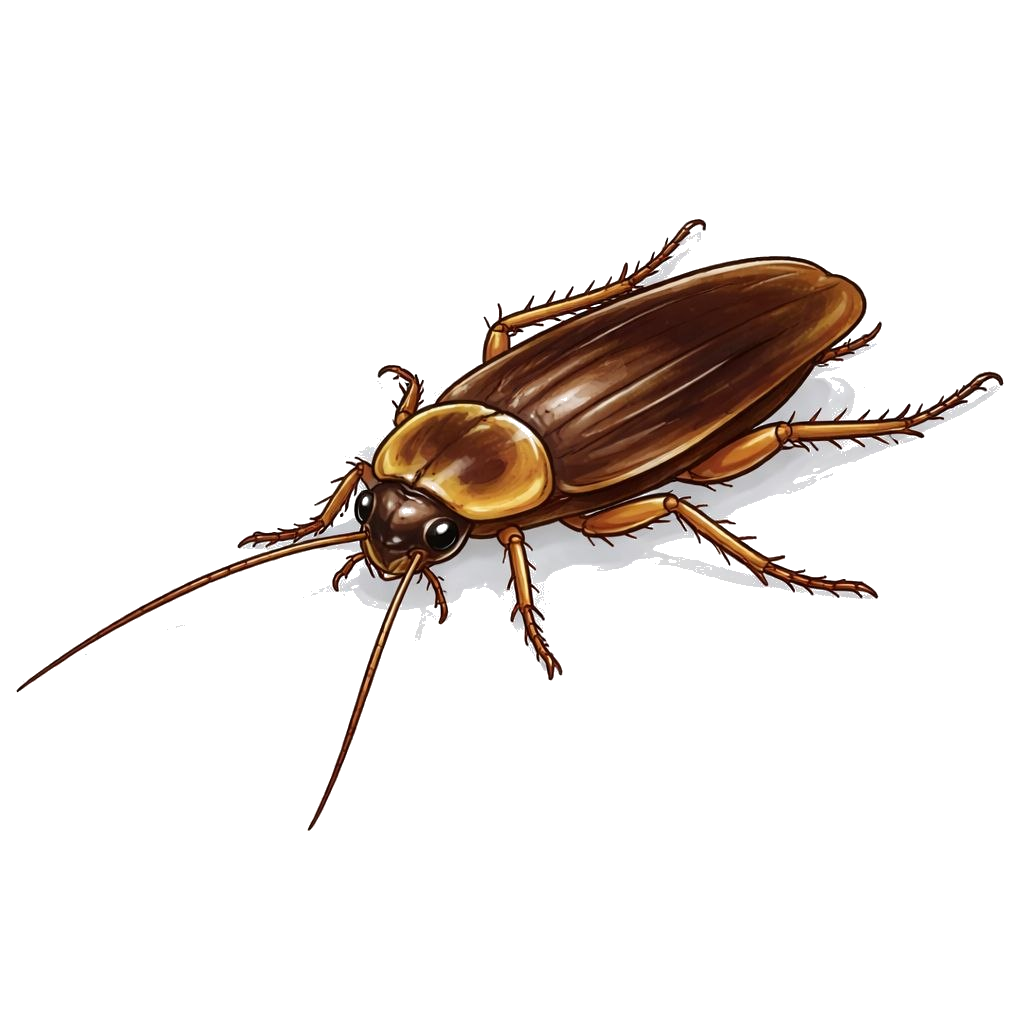
Palmetto Bugs (Outdoors)
The large Florida roach that lives outside and occasionally wanders in. Different from German roaches, treated differently too.
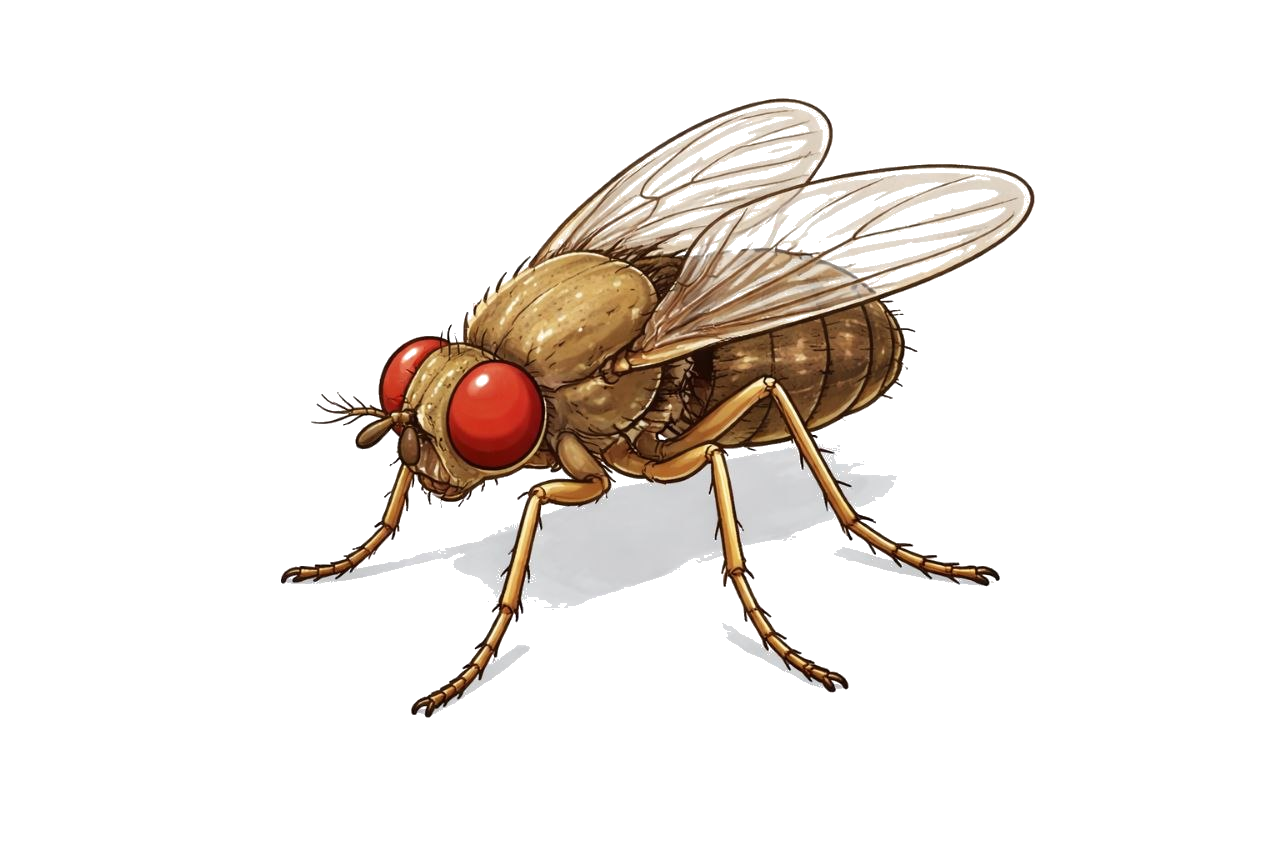
Phorid Flies
Tiny humpbacked flies that look like fruit flies but aren't. Their presence often signals decaying organic matter, plumbing issues, or in some cases, a dead rodent inside the structure.
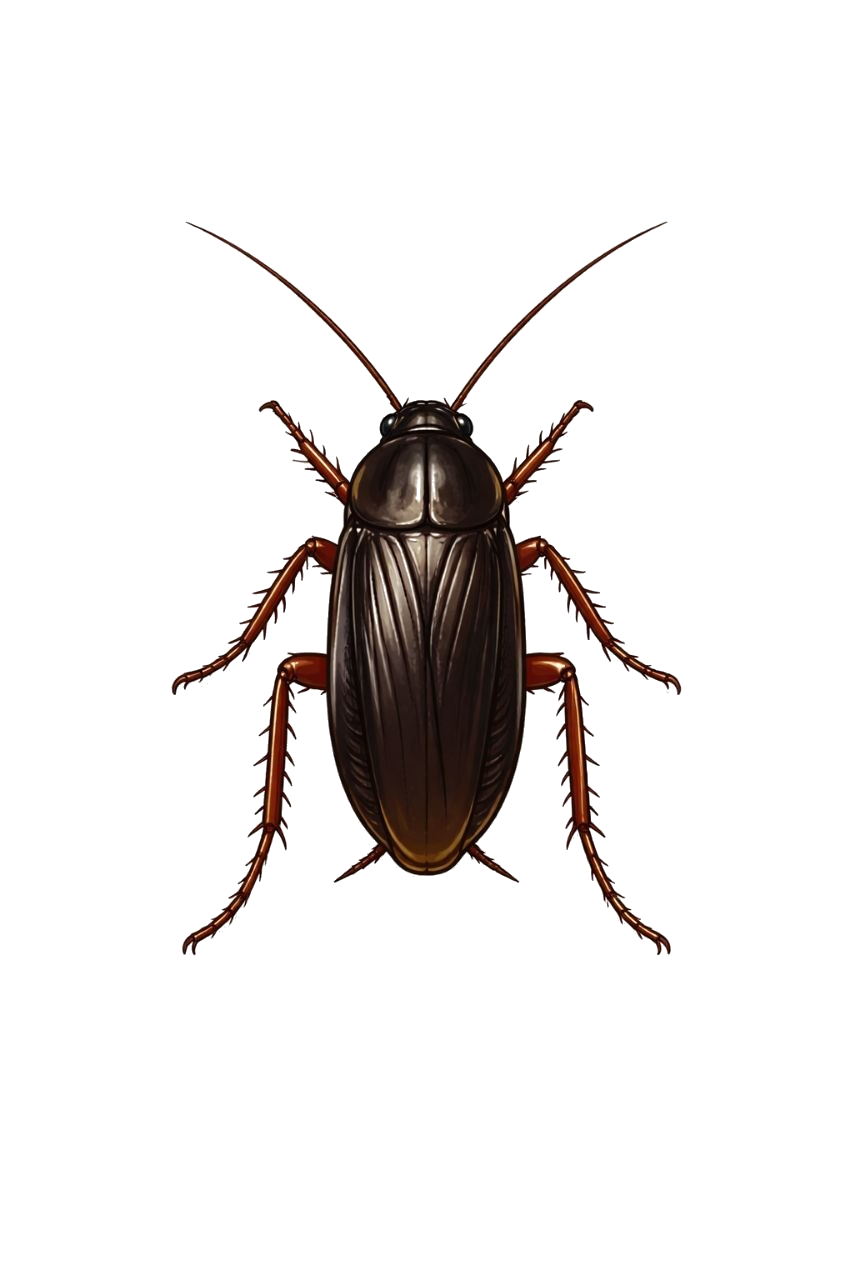
Oriental Roaches
Dark, slow-moving roaches found in drains, crawlspaces, and damp basements. Often called "water bugs." Their presence signals serious moisture issues.
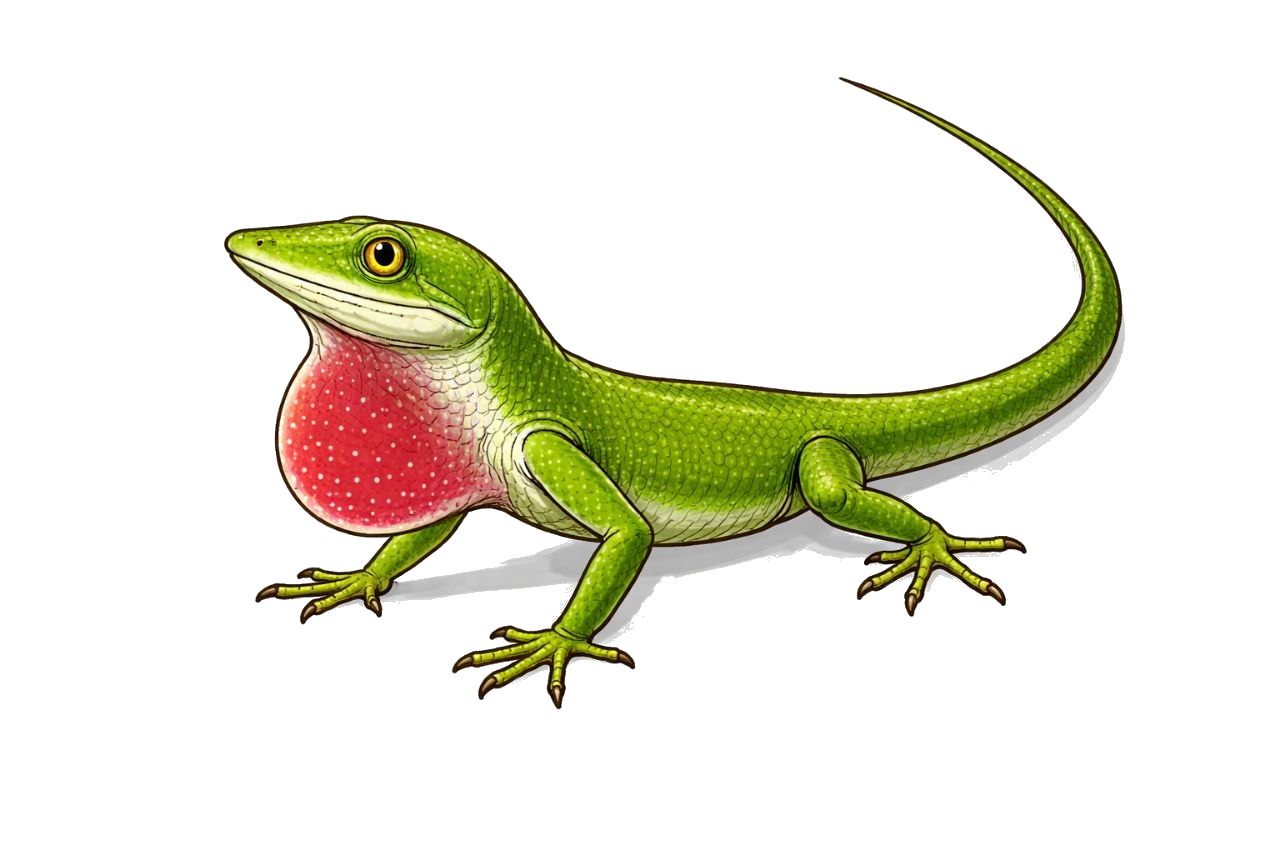
Anole Lizards
Common Florida lizards that find their way indoors through gaps and door sweeps. Harmless but unwanted, and their presence often points to open entry points that other pests use too.
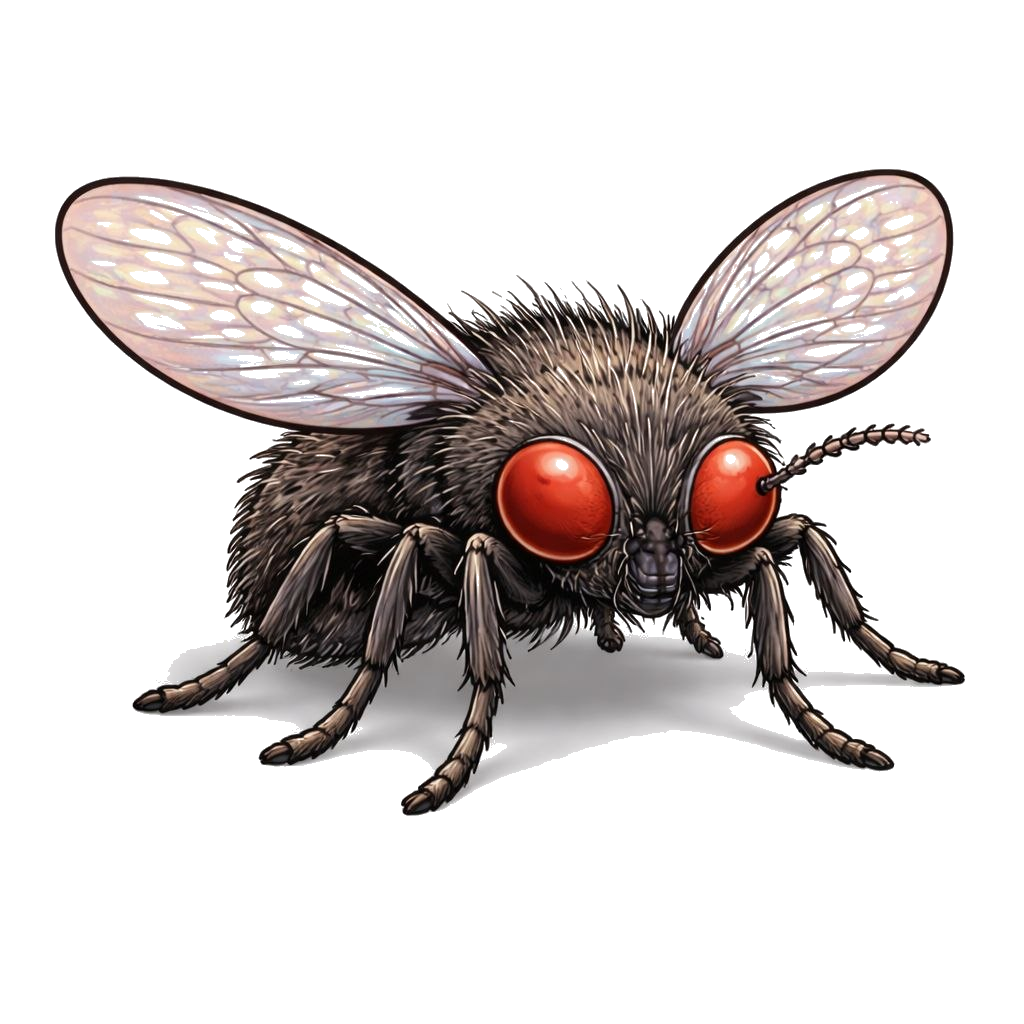
Drain Flies
Fuzzy, moth-like flies found near bathroom and kitchen drains. They breed in organic buildup inside pipes. If you're seeing them, your drain needs attention, not just a spray.